You’re about to spend $15,000 to $40,000 on your home. Maybe a new roof. Maybe siding. Maybe windows. Maybe all three over the next few years.
Here’s the question nobody asks until it’s too late: will the company you hire still exist when something goes wrong?
That lifetime warranty on your roof is worth exactly nothing if the contractor who installed it closed up shop two years later. And it happens constantly. The National Association of Home Builders estimates that 50% of remodeling companies fail within four years. In the storm damage world, that number is even higher — crews follow the hail, work a season, and move on to the next state.
This guide gives you 15 specific questions to ask any contractor before you sign. Not generic advice — specific things you can verify in five minutes that separate a company that will be around in 10 years from one that won’t survive the next slow season.
Part 1: Are They Real?
Before you evaluate their work quality, pricing, or reviews — first establish that you’re dealing with an actual, rooted, verifiable business.
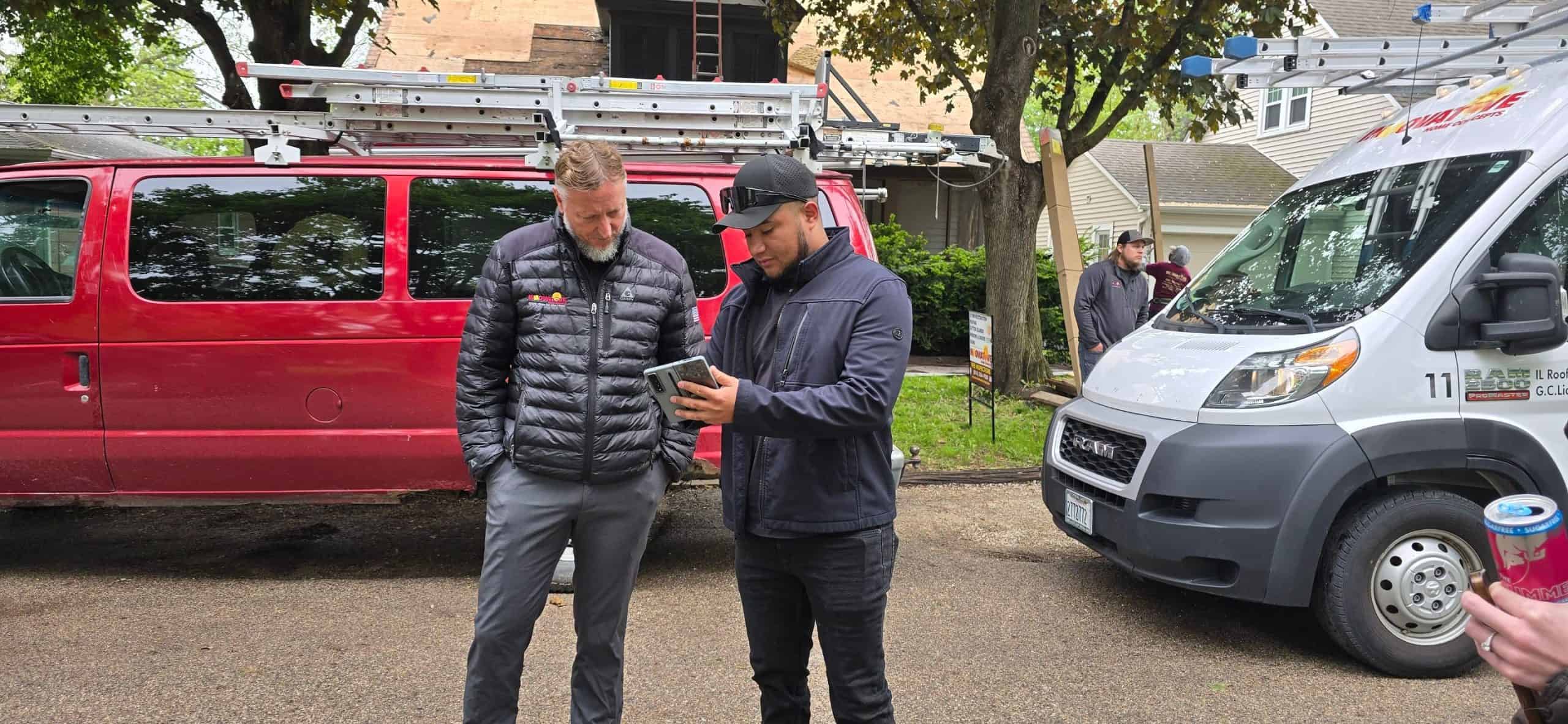
What is your physical business address?
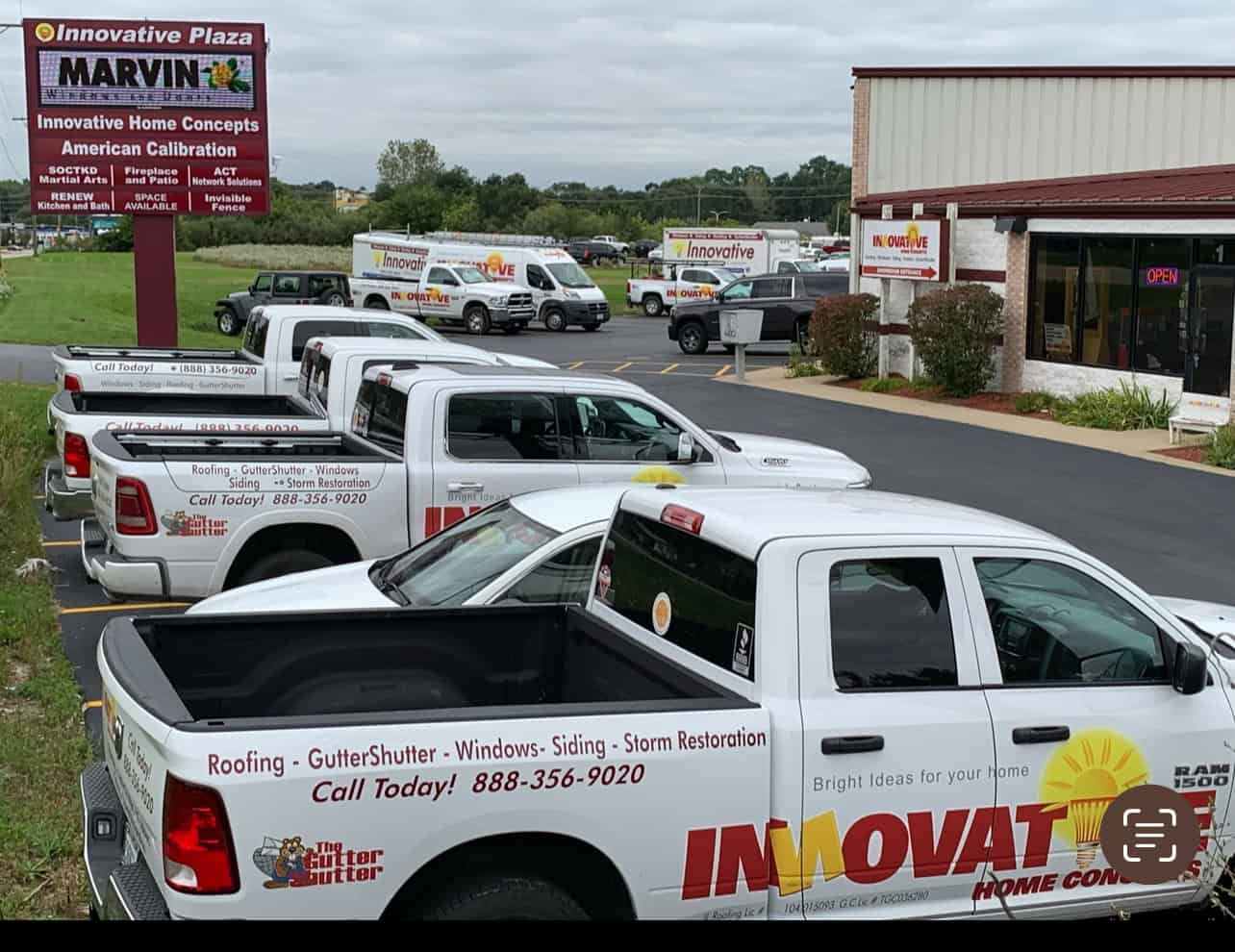
Not a PO box. Not “we work out of our trucks.” An actual location you can drive to and see their name on the door. A company with a lease and a sign on the building has skin in the game. They can’t disappear overnight.
How to verify: Google the address. Open Street View. Is it a real office or a UPS Store mailbox?
How long have you been at that address?
Any company can rent an office for a season. You want someone who has been in the same spot for years. Roots in the community mean they care about their reputation here — because they live here too.
What to look for: 5+ years at the same address is solid. 10+ years is excellent. If they’ve moved three times in five years, ask why.
What is your Illinois roofing license number?
Illinois requires a state roofing license for any roofing work. No exceptions. If they hesitate, dodge the question, or say “we don’t need one” — end the conversation.
How to verify: Go to obre.illinois.gov and search their license number. You’ll see the license type, status, and expiration date. It takes 30 seconds.
Can I see your Certificate of Insurance?
A real contractor carries general liability insurance (protects your property) and workers’ compensation insurance (protects you from liability if a worker gets hurt on your roof). Ask for the certificate. Then call the insurance company listed on it to confirm the policy is active — not expired or cancelled.
What to look for: Minimum $1 million in general liability. Active workers’ comp. If they use subcontractors, those subs need their own coverage too.
Are you registered with the village/city?
Most McHenry County municipalities — Crystal Lake, McHenry, Woodstock, Algonquin, Lake in the Hills — require contractors to register and sometimes post a bond. This is separate from the state license. A company that skips local registration is cutting corners before they even start.
How to verify: Call your village hall and ask if the contractor is registered to work in your municipality.
Part 2: Are They Good?
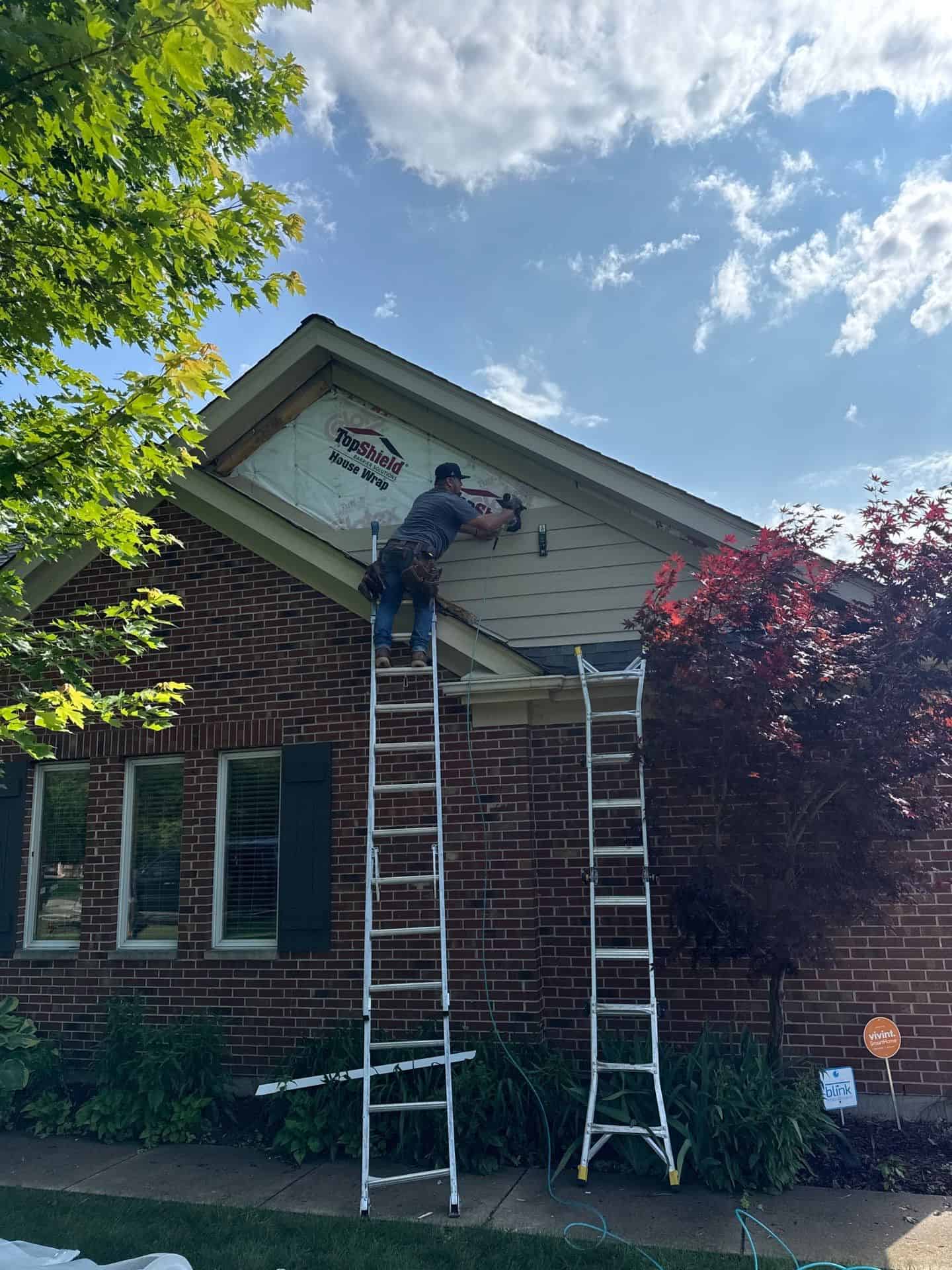
Now that you know they’re a real, licensed, insured company with a permanent address — let’s find out if they actually do quality work.
What manufacturer certifications do you hold?
The big material manufacturers — CertainTeed, James Hardie, GAF, Owens Corning, Andersen — don’t hand out certifications to just anyone. These programs require proven installation volume, trained crews, financial stability, and ongoing education. A contractor with manufacturer certifications has been vetted by the companies whose products they install.
Top-tier certifications to look for:
- CertainTeed SELECT ShingleMaster (top 1% of roofers nationally)
- James Hardie Elite Preferred (extensive Hardie-specific training)
- GAF Master Elite (top 2% of roofers nationally)
- Owens Corning Platinum Preferred
Why it matters for YOU: Manufacturer certifications unlock extended warranties that non-certified contractors can’t offer. A CertainTeed SELECT ShingleMaster can offer a 50-year SureStart Plus warranty. A non-certified installer gets you the basic material warranty — no labor coverage.
How long have your crews been with you?
This is a trick question, and most homeowners get it wrong. They assume W-2 employees are always better. The reality? What matters is the relationship, not the payroll structure. A company that has used the same crews for 10–15 years has something more valuable than an employee handbook — they have loyalty, consistency, and installers who know exactly how that company expects the work done.
Long-term crew relationships also mean each crew specializes. Your roofing crew does roofing every day. Your siding crew does siding every day. You get specialists, not generalists.
The real question: “How long have your current crews been with you?” If the answer is a decade or more, that tells you everything. If they scramble to find whoever is available that week — that’s the red flag.
Can you show me 3 completed projects within 15 minutes of my home?
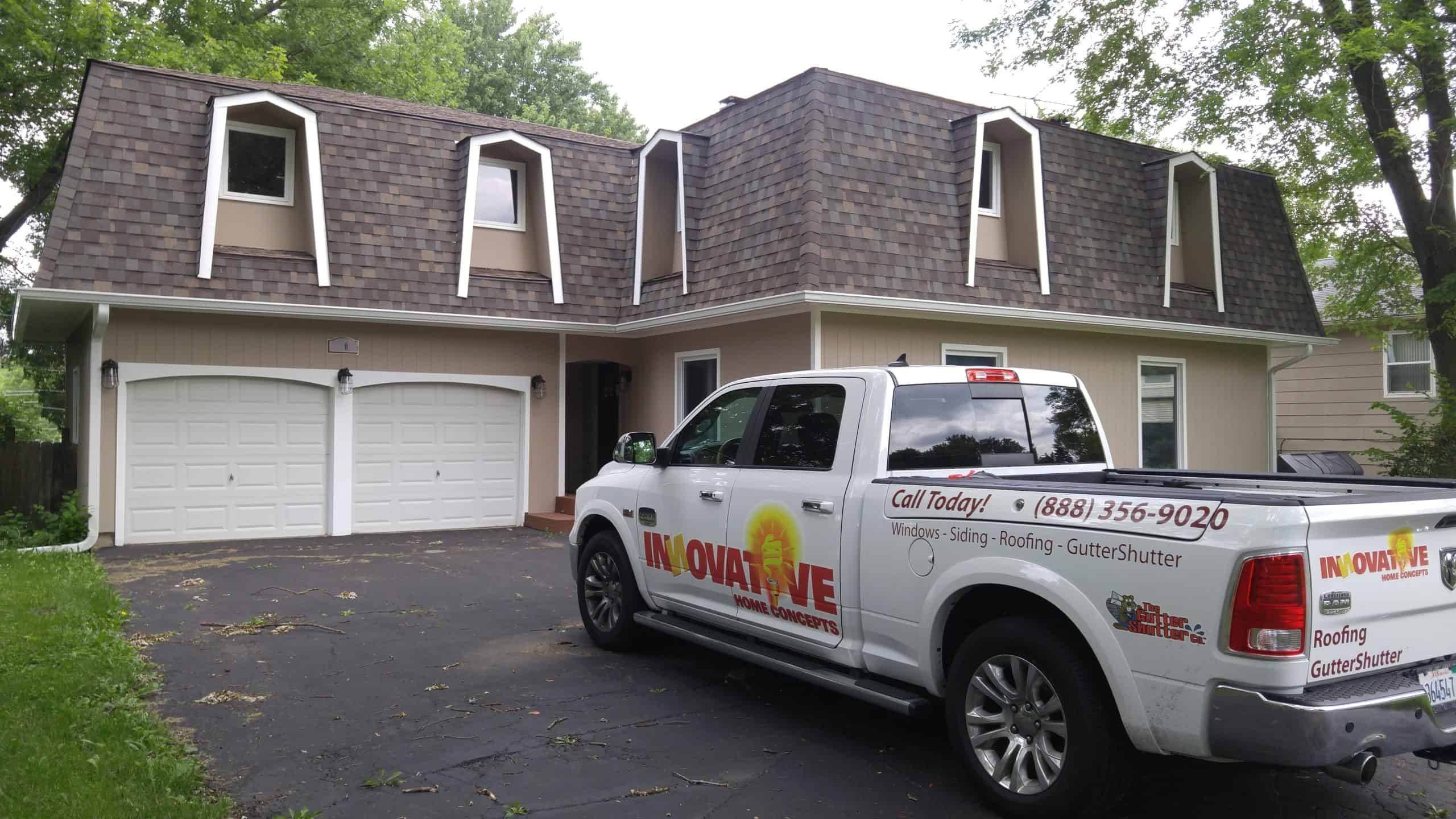
Any good local contractor should be able to point you to recent work in your area. Ask to drive by. Better yet, ask if you can talk to those homeowners. A contractor who has done thousands of jobs in McHenry County will say “pick a neighborhood” without hesitation.
Bonus move: Check Google Maps reviews for your specific city. If a contractor claims to serve Crystal Lake but has zero reviews from Crystal Lake residents, ask about that.
What does your warranty actually cover — and for how long?
There are two warranties on any exterior project: the material warranty (from the manufacturer) and the labor warranty (from the contractor). The material warranty doesn’t help you if the installation was wrong. And the labor warranty is only as good as the company standing behind it.
Ask specifically:
- How long is your labor/workmanship warranty?
- What does the material warranty cover? (Get the actual document, not a summary)
- Is the warranty transferable if I sell my home?
- What would void the warranty?
How do you handle a problem after the job is done?
This question tells you more than any review can. Listen to HOW they answer, not just what they say. A company that has a process — “call our service manager directly, here’s the number, we’ll be out within 48 hours” — is very different from one that says “uh, just call the office.”
What to look for: A dedicated service department or service manager. A clear timeline for response. No hesitation. If they seem annoyed by the question, that tells you everything.
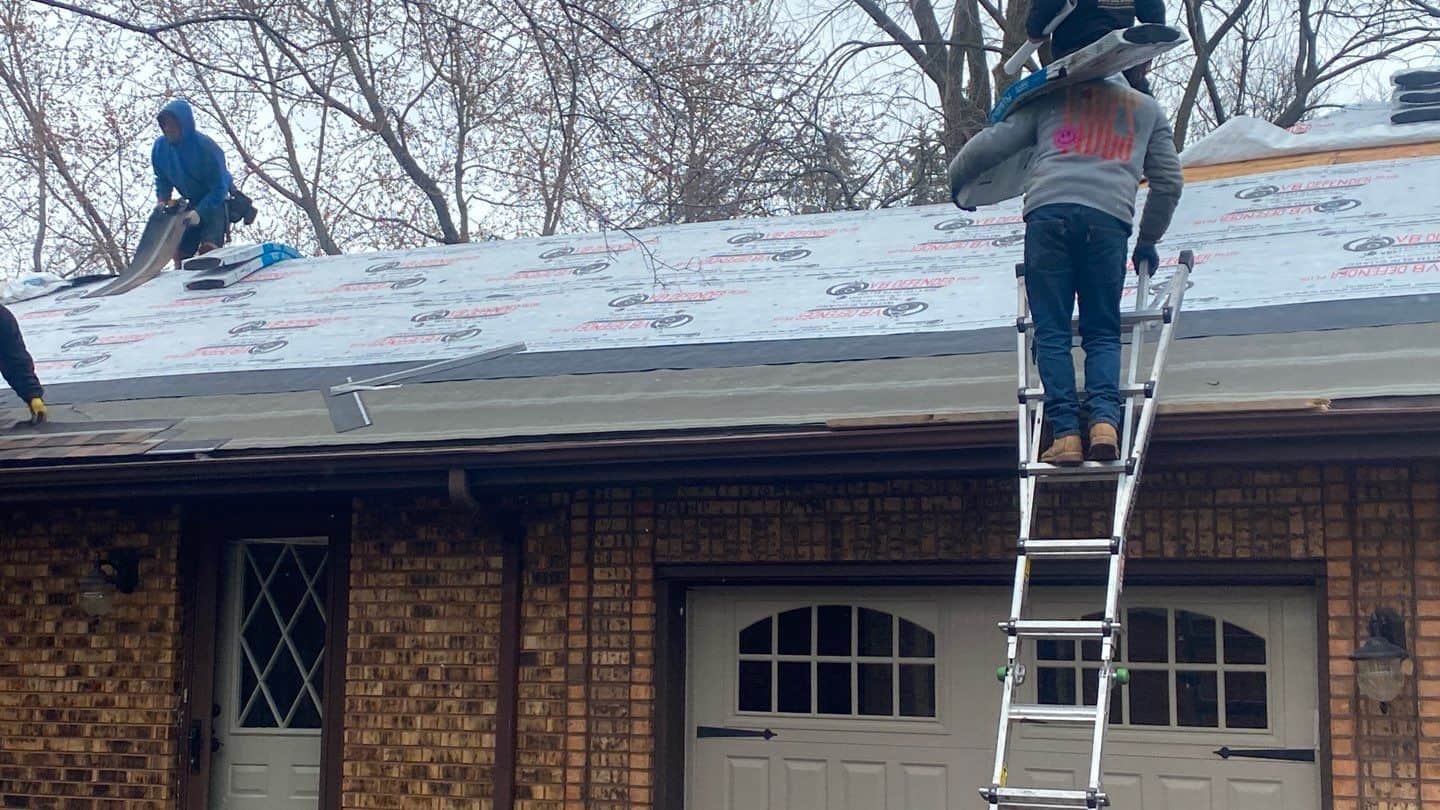
You’ve confirmed they’re real and they’re good. Now let’s make sure you won’t regret the experience of working with them.
Will you provide a detailed written estimate before I commit to anything?
A real estimate breaks down materials, labor, permits, and disposal as separate line items. A “ballpark” scribbled on the back of a business card is not an estimate. You should be able to compare estimates from different contractors line by line.
Red flag: “We don’t do written estimates” or “I’ll just send you a number.” Walk away.
What does the contract include — and what does it NOT include?
The most common disputes in home improvement come from assumptions. You assumed they’d replace the rotted fascia board behind the gutter. They assumed that was extra. Get everything in writing before work starts.
Things that should be explicit in the contract:
- Exact materials and brands being used (not “or equivalent”)
- Tear-off and disposal included?
- Permit costs included?
- What happens if they find rot or damage underneath?
- Start date and estimated completion date
- Payment schedule (never more than 20% upfront)
- What triggers the final payment (inspection? walkthrough?)
Who will be my point of contact during the project?
On a $20,000 project, you should know exactly who to call with questions. Not a generic office number. A name. A direct line. Someone who knows your project and can give you an answer without putting you on hold for 20 minutes.
Best case: A dedicated project manager who will be on-site during key phases. They should introduce themselves before work starts.
How do you protect my property during the work?
Roofing tear-offs send debris everywhere. Siding removal can damage landscaping. Window installations track dust through your home. A professional crew plans for this.
What good looks like: Tarps over landscaping and AC units. Magnetic nail sweeps after roofing. Drop cloths inside for window work. Dumpster placement that doesn’t destroy your driveway. Daily cleanup.
Will you pull the permit, or do you expect me to?
Most exterior work in McHenry County requires a building permit. The contractor should pull it and schedule the inspection. If they ask YOU to pull the permit, they may not be licensed or registered in your municipality. If they say “we don’t need a permit” — they’re wrong, and you’ll be the one dealing with the village when it comes time to sell your home.
Why it matters: Unpermitted work can derail a home sale. The buyer’s inspector flags it, the village requires you to retroactively permit it (and possibly tear out non-compliant work), and you’re stuck with the bill because the contractor is long gone.
The Contractor Scorecard
Use this scorecard to compare contractors side by side. Print this page and fill it out during or after each consultation. A score of 80+ means you’re probably in good hands. Below 50, keep looking.
Contractor Name: ___________________________
| Question | Points | Check |
|---|---|---|
| 1. Has a physical local office (not PO box) | 10 | ☐ |
| 2. In business 10+ years at same address | 10 | ☐ |
| 3. Valid Illinois roofing license (verified) | 10 | ☐ |
| 4. Active insurance — GL + WC (verified) | 10 | ☐ |
| 5. Registered with your municipality | 5 | ☐ |
| 6. Holds manufacturer certifications | 10 | ☐ |
| 7. Long-term crew relationships (5+ years) | 5 | ☐ |
| 8. Can show local completed projects | 5 | ☐ |
| 9. Clear warranty — labor AND material explained | 10 | ☐ |
| 10. Has a service process for post-job issues | 5 | ☐ |
| 11. Provides detailed written estimate | 5 | ☐ |
| 12. Contract spells out inclusions/exclusions | 5 | ☐ |
| 13. Named project manager for your job | 3 | ☐ |
| 14. Property protection plan described | 3 | ☐ |
| 15. Contractor pulls permits (not you) | 4 | ☐ |
| TOTAL SCORE | / 100 | ___ |
| 80–100 | You’re dealing with a professional. Get your estimate and compare pricing with confidence. |
| 60–79 | Decent, but gaps. Ask about the items they missed. Their response tells you a lot. |
| 40–59 | Proceed with caution. Major items missing. Consider other options. |
| Below 40 | Walk away. Too many red flags to trust with a five-figure investment. |
The Bottom Line
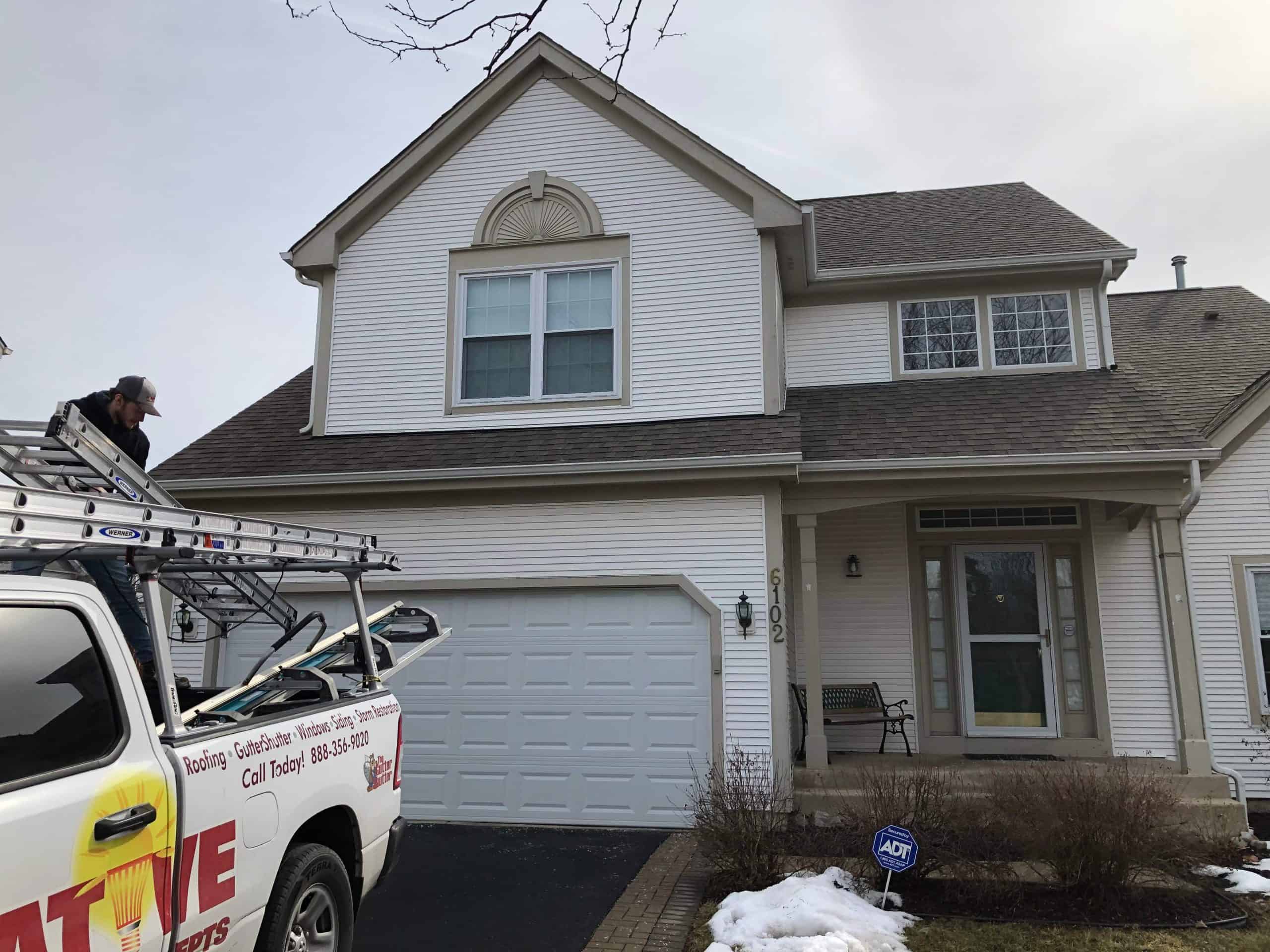
You’re not just buying a roof or siding or windows. You’re buying a relationship with the company that installed it. Because when a shingle lifts in a windstorm three years from now, or a window seal fails, or a piece of siding cracks — you’re going to call the company that did the work. And they need to answer the phone.
The best contractors aren’t offended by these questions. They welcome them. Because they know most homeowners won’t ask — and when you do, it separates you from the easy marks that storm chasers and fly-by-night operations prey on.
Ask the questions. Verify the answers. Hire the company you trust to still be standing at the same address, with the same phone number, a decade from now.
A Note About Price
You’ll notice this guide doesn’t tell you to “get three bids and pick the cheapest.” That’s because the cheapest bid usually comes from the company that cuts the corners you can’t see — thinner underlayment, skipped ice and water shield, no permit pulled, crew that’s never installed that product before. The most expensive bid isn’t automatically the best either. The RIGHT bid comes from a contractor who scores 80+ on the checklist above and gives you a detailed, transparent estimate that explains exactly what you’re paying for.
Watch: Contractor Tips from Rhett Wilborn
Explore Our Services
READY TO TALK TO A CONTRACTOR WHO CHECKS EVERY BOX?
Call or Text (815) 356-9020
Free estimates for McHenry County homeowners
Innovative Home Concepts, Inc. • 4410 IL-176, Ste 1, Crystal Lake, IL 60014
IL Roofing License #104.015093 • CertainTeed SELECT ShingleMaster • James Hardie Elite Preferred
$1M General Liability • $1M Workers’ Comp • $1M Umbrella • Family-owned since 2005